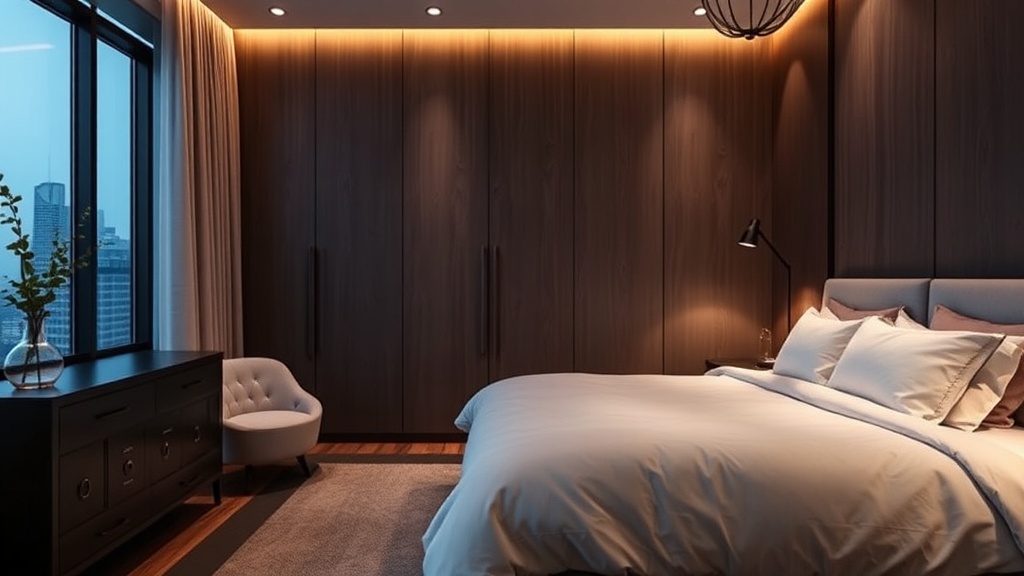
7 High-Quality Materials for a Timeless Bedroom

Organic Linen Textiles
Light-Toned Hardwood
Matte Ceramic Accents
Natural Wool Rugs
Brushed Metal Details
Stone and Travertine
Unfinished Cotton
A single shaft of morning light hits a heavy linen sheet, revealing the uneven, organic texture of the fabric. Beside the bed, a solid oak nightstand sits with a weight that feels permanent. There are no flimsy surfaces or plastic finishes here—just the quiet, tactile reality of well-made things. This post examines seven high-quality materials that define a timeless bedroom through texture, durability, and honest design.
In a world of fast furniture and synthetic blends, choosing materials that age gracefully is a way to fight clutter. When you buy a piece made of solid wood or heavy linen, you aren't just decorating; you're investing in a sensory experience that won't look dated in five years. It’s about the difference between a room that looks "styled" and a room that feels lived-in and substantial.
Why Does Material Quality Matter for Sleep?
High-quality materials improve sleep quality by regulating temperature and providing a more tactilely soothing environment. Synthetic fabrics often trap heat, leading to restless nights, while natural fibers like organic cotton or linen allow for better breathability. If you're struggling with a bedroom that feels "off," it might not be the layout—it might be the textures.
Think about the last time you touched a cheap, polyester fleece blanket. It feels static-heavy and artificial. Now, think about a heavy wool throw from a brand like Pendleton. The weight, the warmth, and the way it breathes—that's the difference a material makes. It’s a physical sensation that tells your brain it's time to rest.
A well-designed room relies on a limited palette of textures. If you use too many cheap, synthetic materials, the room ends up looking busy and visually "loud." A minimalist approach works best when every single item has a reason to be there. You can read more about this in my guide on fixing any room without buying anything—it’s often about the quality of what remains.
1. Solid Wood (Not Veneer)
Solid wood provides a sense of permanence and structural integrity that engineered wood simply can't match. When you look at a bed frame made of solid walnut or oak, you see the grain, the knots, and the history of the tree. It’s a grounding element.
The problem with many modern furniture pieces is that they use thin veneers over particle board. These pieces often wobble or even break after a few years of heavy use. If you want a nightstand that lasts a lifetime, skip the MDF and look for solid hardwoods. It’s a higher upfront cost, but the longevity is undeniable.
2. Linen
Linen is the gold standard for minimalist bedding because of its ability to look better as it ages. It’s a fabric that embraces imperfection. A wrinkled linen sheet doesn't look messy; it looks intentional and relaxed.
Why linen is a top choice:
- Breathability: It keeps you cool in the summer and warm in the winter.
- Durability: High-quality linen actually gets softer with every single wash.
- Visual Texture: It adds depth to a room without needing loud patterns.
Brands like Linen Cloud or even high-end retailers like Parachute offer excellent options. Just remember that real linen has a certain "crunch" and weight to it. If it feels too silky or thin, it's likely a linen-polyester blend, which won't offer the same breathability.
3. Wool
Wool is a powerhouse material for both warmth and sound absorption. In a bedroom, a heavy wool rug or a wool throw can actually help dampen the acoustics of the room, making it feel more private and quiet. It’s a functional way to add a layer of comfort.
It’s worth noting that wool is a natural fire retardant, too. This is one reason why it remains a staple in high-end interior design. It’s a material that works hard for you while looking effortless.
How Much Does High-Quality Material Cost?
High-quality materials generally cost more upfront but provide a lower cost-per-year of use than cheap alternatives. While a solid oak bed frame might cost three times more than a particle-board version, it won't need to be replaced in three years. This is the core of the "buy less, buy better" philosophy.
| Material | Typical Lifespan | Maintenance Level | Primary Benefit |
|---|---|---|---|
| Solid Wood | 20+ Years | Low (Dusting/Oiling) | Structural permanence |
| Linen | 5-10 Years | Moderate (Washing) | Breathability & Texture |
| Wool | 15+ Years | Low (Natural resistance) | Temperature regulation |
| Stone/Marble | Lifetime | High (Sealing/Cleaning) | Visual weight & Luxury |
4. Stone and Marble
Stone adds a necessary "anchor" to a room. Whether it's a marble tray on a dresser or a stone-topped side table, these materials provide a cool, hard contrast to soft bedding. It breaks up the monotony of fabric and wood.
The catch? Stone is heavy and can be high-maintenance. You have to be careful with liquids. However, the visual weight of a stone element is a trick I use often to stop a room from feeling "floaty" or ungrounded. It brings the eye down and creates a sense of stability.
5. Cotton (Long-Staple)
Not all cotton is created equal. If you're looking for high-quality bedding, you need to look for long-staple cotton, such as Egyptian or Pima cotton. The longer the fiber, the smoother and stronger the fabric.
Cheap cotton often pills after a few washes, which ruins the clean, minimalist aesthetic of a tidy bed. Long-staple cotton stays smooth. It feels substantial. It’s a small detail, but it's the difference between a room that feels "cheap" and one that feels curated.
6. Brass and Bronze
Metal accents should be used sparingly, but they are vital for a finished look. Brass and bronze offer a warmth that chrome or stainless steel lacks. A simple brass lamp or a bronze drawer pull adds a touch of history and character without looking gaudy.
These metals develop a patina over time. Unlike painted metal, which just chips and looks broken, a patina is a sign of aging that adds charm. It’s a way to introduce a bit of "life" into a minimalist space without breaking the rules of simplicity.
7. Ceramic and Clay
Ceramics provide a tactile, earthy element that rounds out a bedroom. A heavy ceramic vase or a clay water carafe on a nightstand adds a sense of craftsmanship. These items feel intentional—like something you found or made, rather than something you grabbed from a big-box store.
Ceramics also play well with the light. A matte ceramic lamp base, for instance, diffuses light much more softly than a glass or plastic one. This contributes to that calming, low-contrast environment we want for a sleep space.
What to Look for When Shopping for Materials
Always check the composition labels before you buy anything. A "linen" sheet that is actually 50% polyester will never breathe the way you want it to. If you're buying furniture, ask specifically if the wood is solid or if it's a veneer.
Here is a quick checklist for your next purchase:
- Check the weight: Real wood, stone, and heavy cotton feel substantial in your hands.
- Read the labels: Look for 100% natural fibers (linen, wool, cotton, silk).
- Inspect the edges: High-quality furniture has clean, finished edges, not rough or taped-on seams.
- Test the texture: If a fabric feels "scratchy" in a bad way (synthetic), it won't feel good against your skin at 2:00 AM.
The goal isn't to own a museum of expensive things. The goal is to own a few things that actually matter. When your bedroom is composed of these seven materials, the room becomes more than just a place to sleep—it becomes a sanctuary of texture and weight.