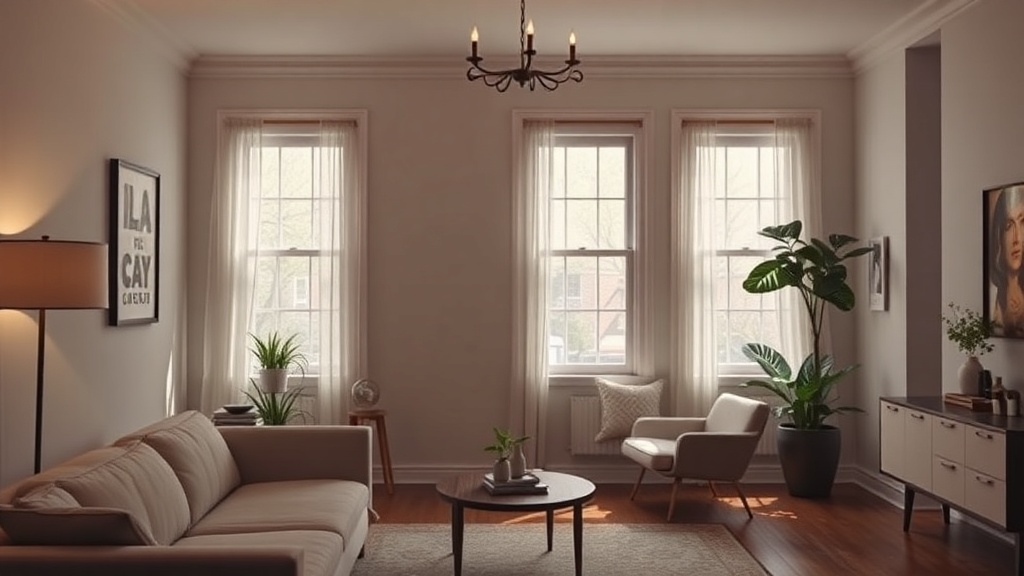
The One Minimalist Rule That Instantly Fixes Any Room (Without Buying Anything)

Quick Tip
Remove 30% of visible items in any room to instantly improve clarity, balance, and overall design without buying anything.
There’s a persistent myth in interior design that better spaces require better stuff. More furniture, better decor, a new color palette. That’s usually wrong. Most rooms don’t suffer from a lack of items—they suffer from a lack of restraint.
If you apply one rule consistently, you can reset almost any space in under an hour without spending a dollar. It’s not trendy. It’s not complicated. And once you see it, you won’t unsee it.
The Rule: Remove 30% of What You See
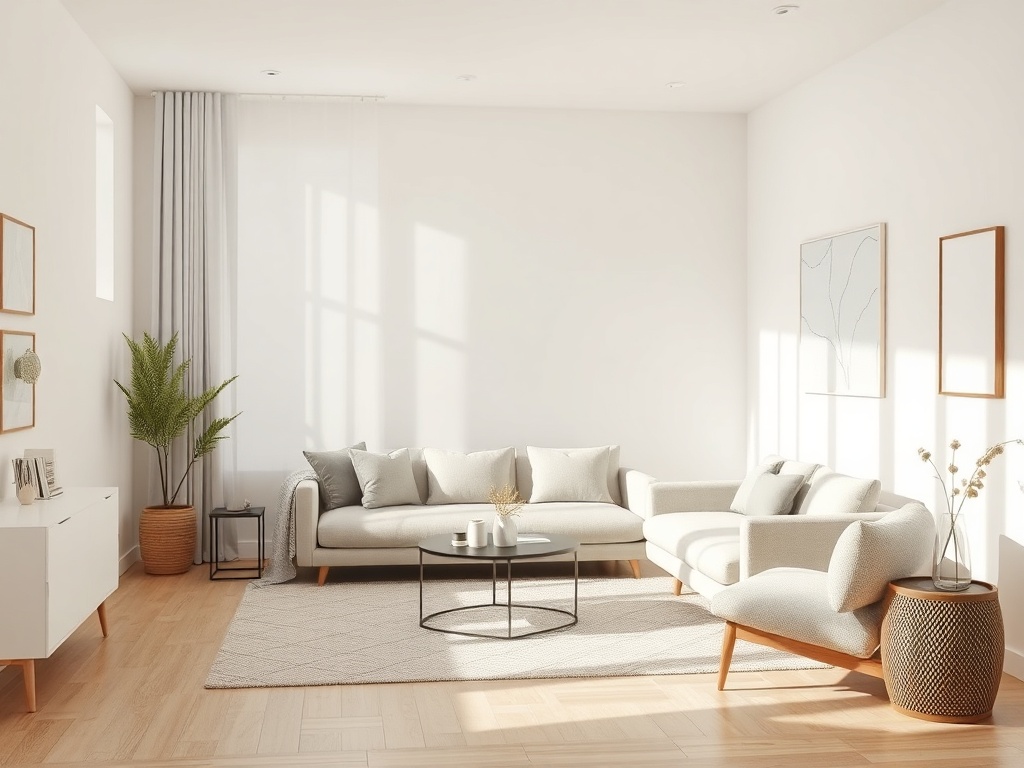
Walk into any room and remove roughly 30% of the visible items. Not hidden storage—visible surfaces. That means coffee tables, countertops, shelves, walls, and floors.
This isn’t about decluttering for the sake of minimalism aesthetics. It’s about restoring visual hierarchy. Every room needs breathing space so the important elements can actually register.
When everything competes, nothing wins.
Why 30% Works
Less than 20% and you barely notice a difference. More than 40% and most people panic and start undoing it. Thirty percent is the threshold where a room shifts from “busy” to “intentional” without feeling empty.
It also forces decisions. You’re not just cleaning—you’re editing.
Start With Surfaces (They Carry the Weight)
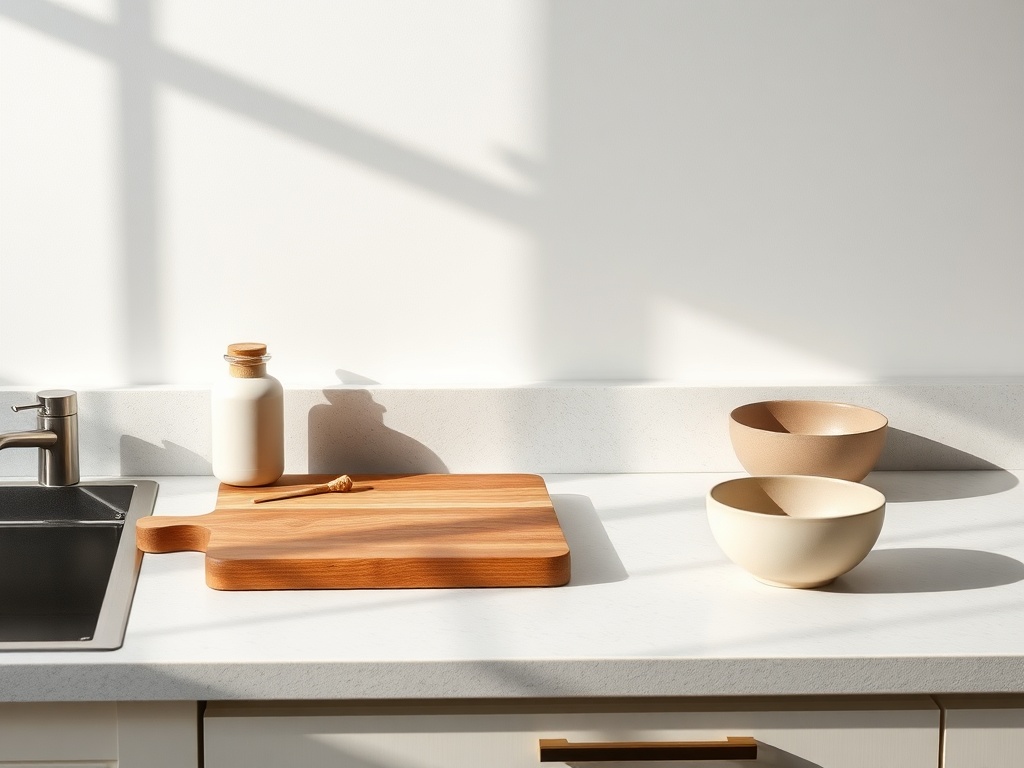
Flat surfaces are where clutter accumulates fastest and where visual noise is most obvious.
- Coffee tables: Keep one anchor object and one supporting piece. That’s it.
- Kitchen counters: Remove anything you don’t use daily. Yes, even that appliance you “might” use.
- Nightstands: Lamp, book, maybe one personal object. Everything else goes.
This step alone can transform a room because it removes the constant micro-distractions your brain has to process.
Edit by Category, Not Emotion
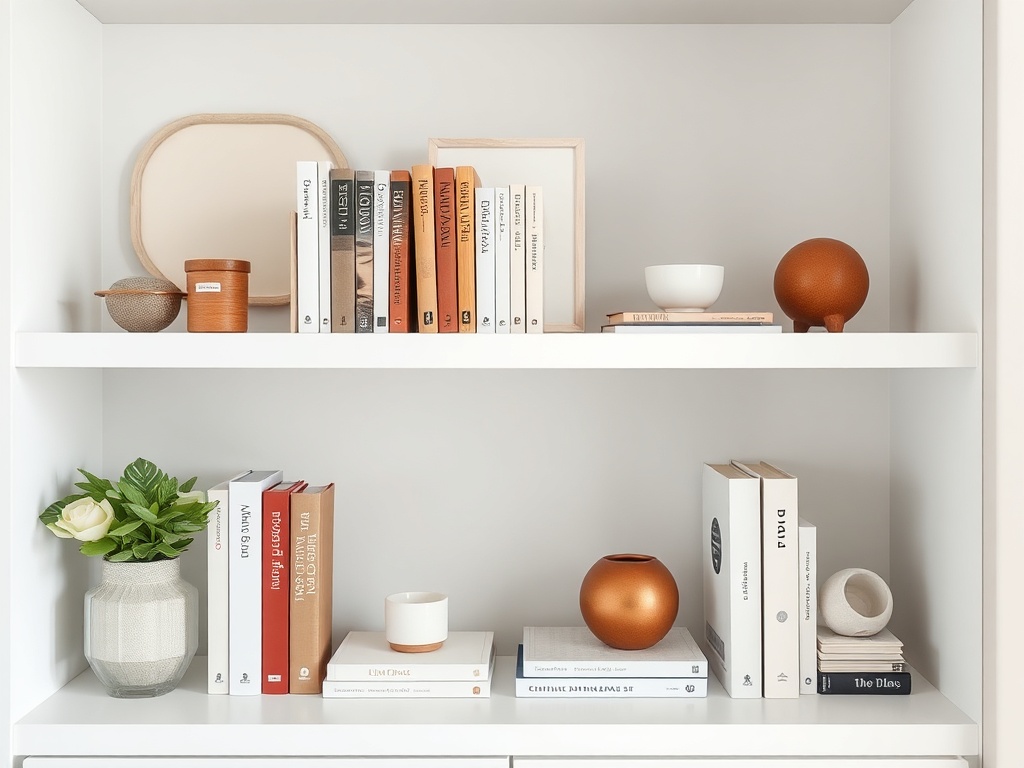
People get stuck because they evaluate items individually. That’s exhausting and biased. Instead, group similar items and cut from the group.
For example:
- If you have 12 books on display, keep 8.
- If you have 10 throw pillows, keep 6.
- If you have 15 decorative objects, keep 10.
You’re not deciding whether one object is “worthy.” You’re deciding how many of that category the room actually needs.
Create Negative Space on Purpose
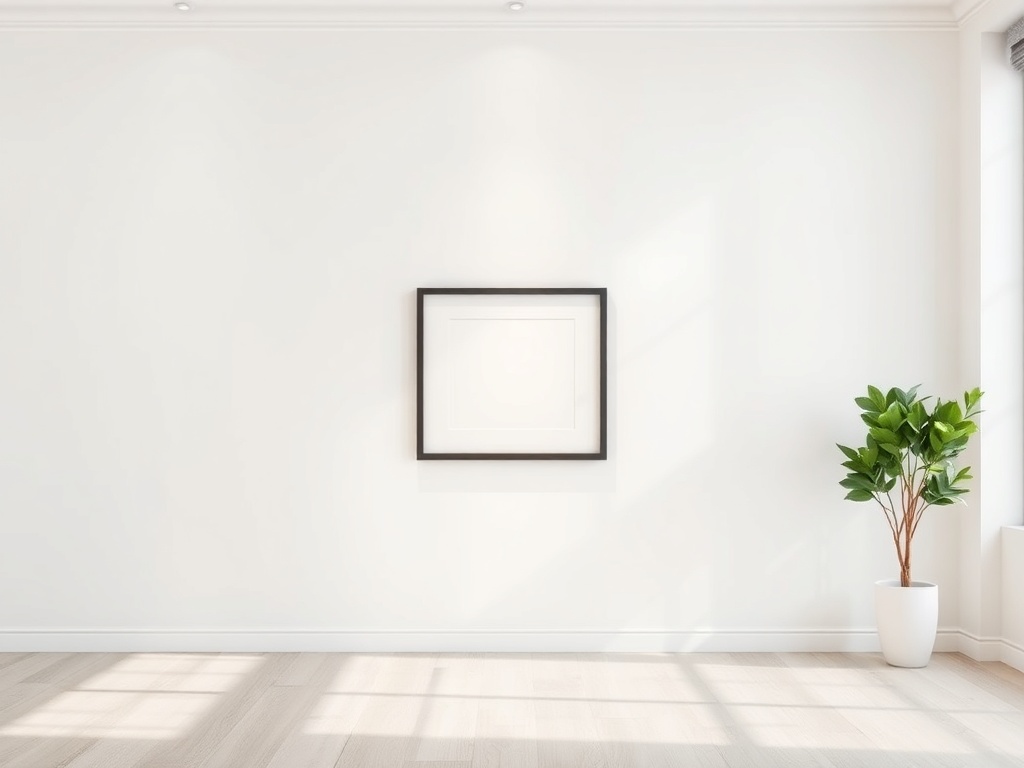
Most people accidentally fill space. Minimal design treats empty space as a feature, not a leftover.
Leave sections of shelves empty. Let parts of walls breathe. Resist the urge to “balance” everything symmetrically with more stuff.
Negative space gives your room rhythm. It creates contrast so the remaining objects feel deliberate instead of random.
Reposition Before You Remove Permanently
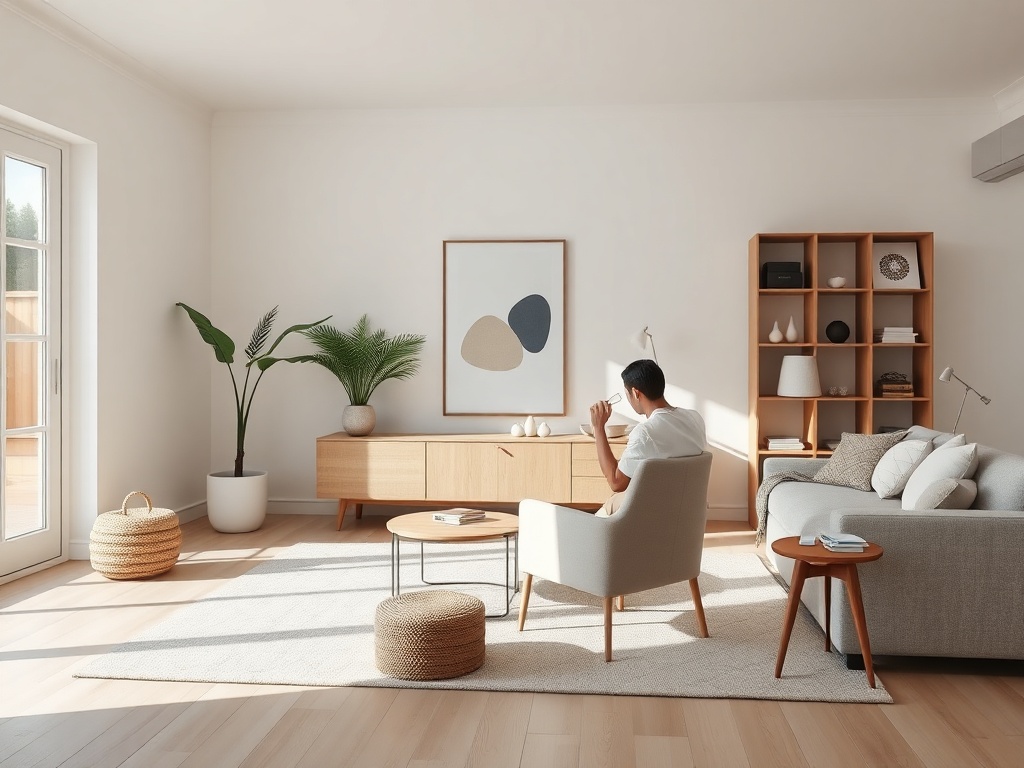
Not everything needs to be thrown out or donated. Some things just need to move.
Try this sequence:
- Remove items from the main room.
- Live with the space for 24 hours.
- Reintroduce only what you actually missed.
This prevents regret and reveals what truly matters in your daily routine.
Focus on Visual Anchors
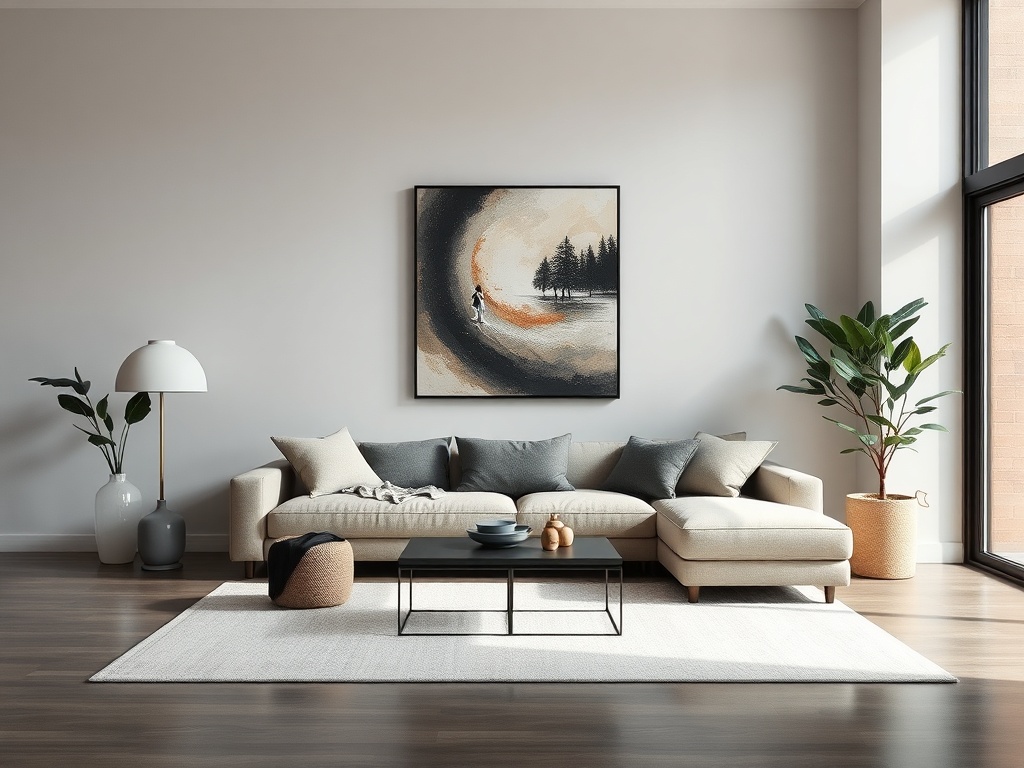
Every room needs a focal point. When you remove excess, that focal point becomes obvious.
It could be:
- A sofa
- A dining table
- A bed
- A piece of art
Once identified, support it. Remove items that compete with it. Align surrounding objects to reinforce it.
Lighting Changes After You Simplify
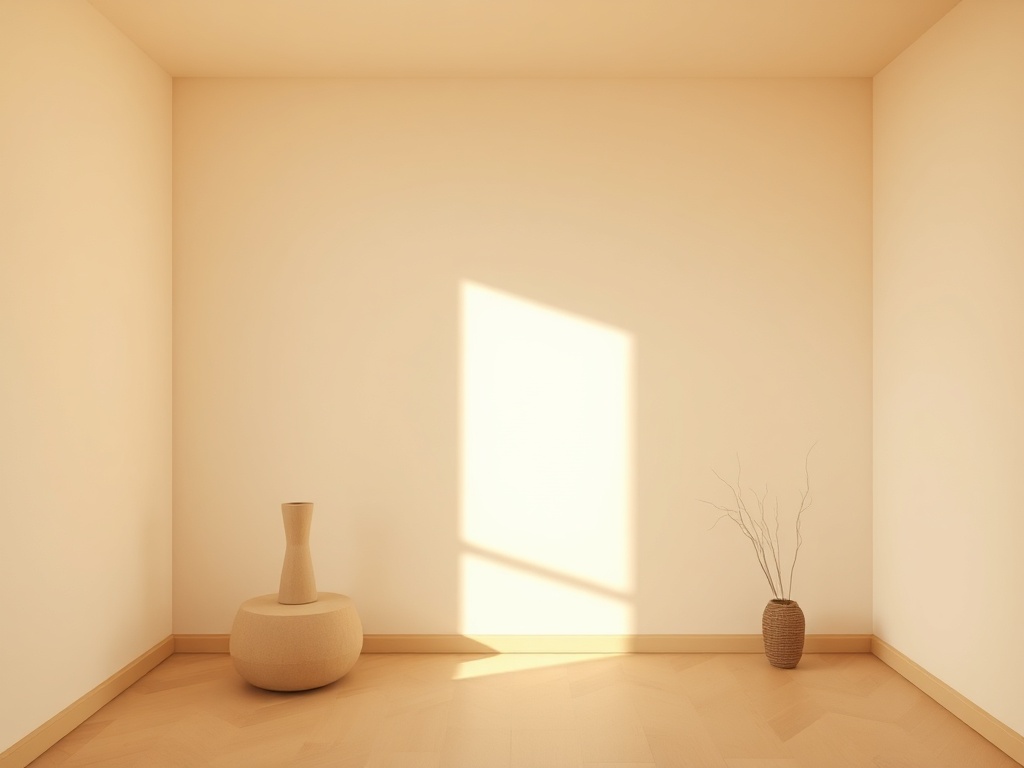
Clutter absorbs attention. When it’s gone, light becomes more noticeable.
You may find you don’t need additional fixtures—just better placement. Shift a lamp. Open a curtain. Let shadows exist.
Minimal spaces rely on light to create depth, not objects.
Common Mistakes That Ruin the Effect
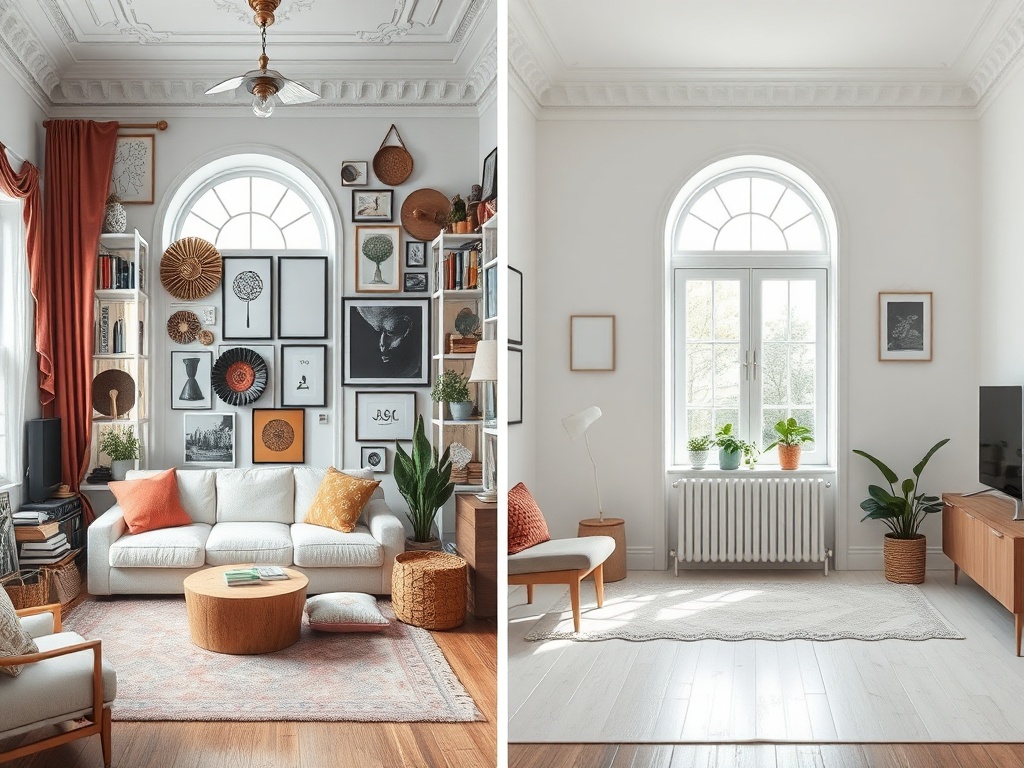
- Replacing items immediately: If you remove something and instantly buy a “better” version, you missed the point.
- Hiding clutter instead of removing it: Overstuffed drawers are just delayed stress.
- Going too far too fast: If the room feels sterile, add back selectively—not impulsively.
Why This Works Long-Term
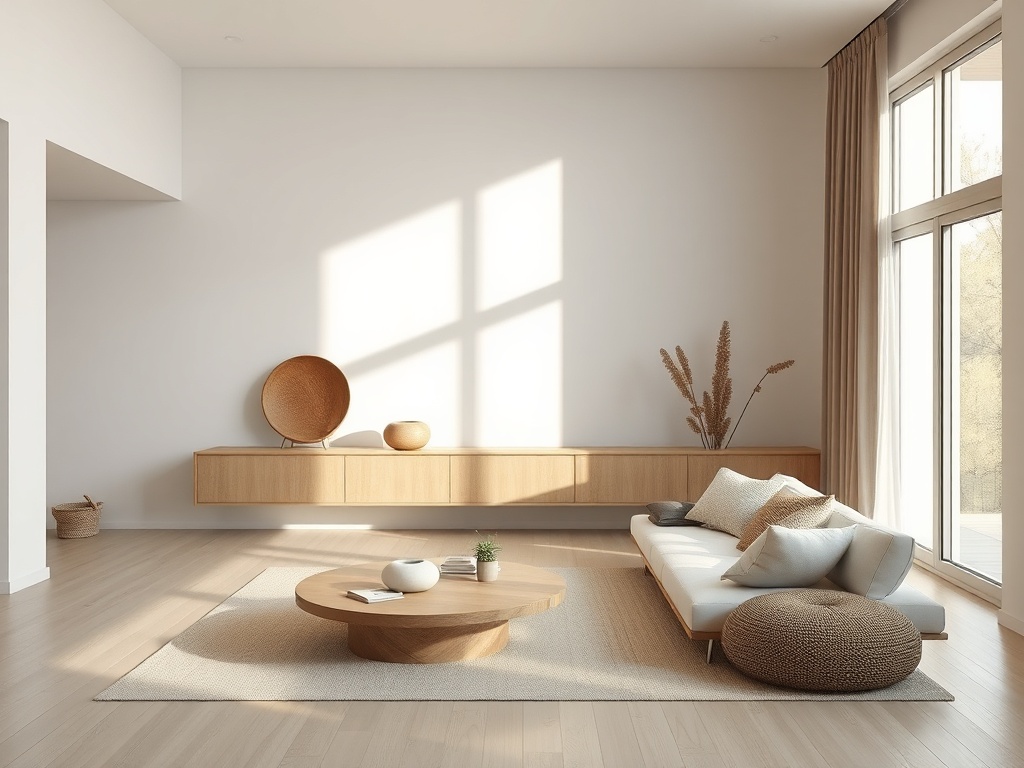
This rule isn’t a one-time reset. It’s a filter you can apply anytime a space starts to feel off.
Instead of asking, “What should I add?” you ask, “What can I remove?” That shift alone prevents most design mistakes.
It also saves money, time, and mental energy. You stop chasing upgrades and start refining what you already have.
The Takeaway
Minimalism isn’t about owning less. It’s about making space for what matters to actually stand out.
If a room feels wrong, don’t shop. Subtract.
Remove 30% and let the room show you what it actually needs.