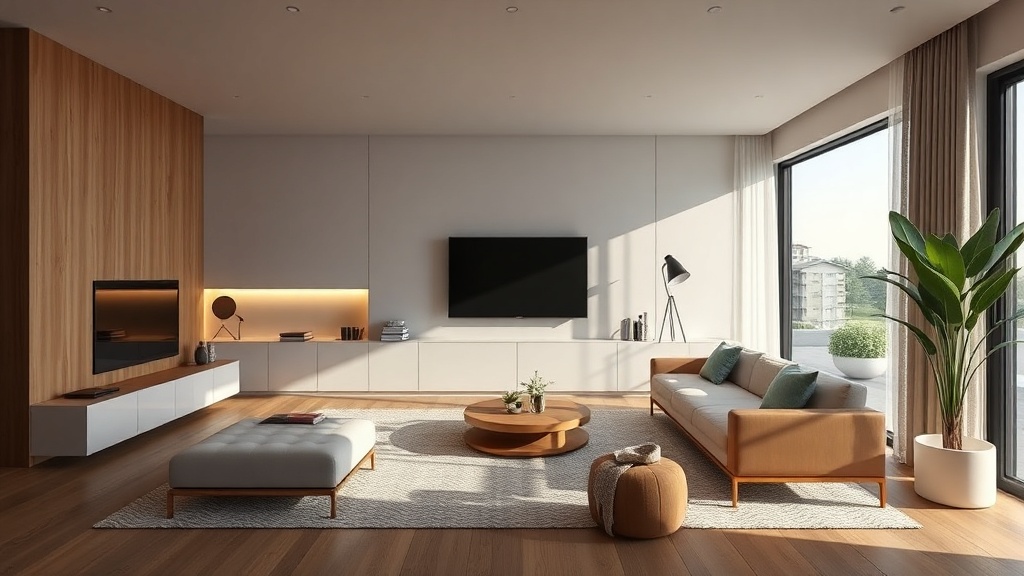
The Complete Guide to Minimalist Home Design in 2024

This guide covers everything needed to transform a cluttered home into a calm, functional space. You'll learn the core principles of minimalist design, practical decluttering strategies, and specific product recommendations that won't break the bank. Whether starting fresh or editing an existing space, these techniques work for apartments, suburban homes, and everything between.
What Is Minimalist Home Design?
Minimalist home design strips away the unnecessary to focus on what matters—clean lines, functional furniture, and breathing room. It's not about living in an empty white box. (That's a common misconception.) Instead, it's about intentionality: every object earns its place.
The philosophy traces back to Japanese design and the Bauhaus movement. Both emphasized that form follows function. In practice, this means a sofa should be comfortable first, stylish second. A kitchen should have clear counters and tools within reach. Nothing exists merely for display.
Here's the thing—minimalism looks different for everyone. A family of four needs more storage than a single professional. The goal isn't deprivation; it's clarity. When surfaces stay clear and belongings have designated homes, daily life runs smoother. Less time searching for keys. Less visual noise causing background stress.
"Have nothing in your houses that you do not know to be useful or believe to be beautiful." — William Morris
How Do You Start Decluttering a Room?
Start with one category—not one room—and work in timed bursts of 20 to 30 minutes. This prevents burnout and builds momentum. The KonMari Method popularized by Marie Kondo suggests beginning with clothes, then books, papers, miscellaneous items, and finally sentimental objects.
Sort into four piles: keep, donate, sell, and trash. Be ruthless. That decorative vase from a former relationship? The stack of magazines you'll "someday" read? Let them go. Physical objects carry emotional weight. Removing them creates literal and mental space.
The catch? Storage solutions come last. Buying bins before decluttering often leads to organized clutter—neatly labeled boxes of stuff you don't need. Empty space is the goal, not better hiding places.
Worth noting: digital clutter matters too. Unsubscribe from promotional emails. Delete apps you haven't opened in months. A phone with three screens of icons creates the same anxiety as a crowded countertop.
Room-by-Room Priority List
- Bedroom: Start here. Better sleep follows clear surfaces. Remove everything except the bed, one nightstand item, and soft lighting.
- Kitchen: Clear counters completely. Store small appliances in cabinets. Keep only daily-use items visible.
- Living room: Edit bookshelves to 70% capacity. One statement piece beats twelve small decorations.
- Bathroom: Expired products go first. Then duplicates. Keep countertops bare.
- Entryway: This sets the tone. A small tray for keys. Hooks for bags. Nothing else.
What Colors Work Best for Minimalist Interiors?
Neutral palettes dominate—whites, warm grays, beiges, and soft blacks. These create visual cohesion and make spaces feel larger. That said, minimalism doesn't forbid color. It just uses it intentionally.
A single accent wall in Farrow & Ball's "De Nimes" blue adds depth without chaos. Terracotta pots with olive trees bring warmth to white rooms. The key is restraint: one or two colors repeated throughout, not a different shade in every corner.
Paint finish matters more than people realize. Matte hides wall imperfections but marks easily. Eggshell offers durability with subtle sheen. For high-traffic areas like hallways, Benjamin Moore's Regal Select in eggshell withstands scuffs while maintaining that flat, modern look.
Natural materials add visual interest without clutter. White oak flooring. Linen curtains. Wool throws. These textures prevent neutral rooms from feeling sterile. The Architectural Digest guide to minimalist interiors emphasizes material quality over quantity—better to invest in one solid walnut coffee table than three particleboard pieces.
Which Furniture Pieces Should You Actually Buy?
Quality over quantity. A minimalist living room might contain only five pieces: a well-made sofa, one accent chair, a coffee table, a floor lamp, and shelving. Each item should serve multiple purposes when possible.
The MUJI storage ottoman works as seating, a footrest, and hidden storage. The IKEA Kallax shelving unit—while ubiquitous—offers modular flexibility at a reasonable price point. For investment pieces, the Design Within Reach Eames Lounge Chair remains iconic for good reason: comfortable, compact, and built to last decades.
| Furniture Category | Budget Option | Investment Option | Key Feature to Prioritize |
|---|---|---|---|
| Sofa | Article Sven ($1,199) | Room & Board Metro ($3,500+) | Removable, washable covers |
| Dining table | IKEA Morbylanga ($699) | Restoration Hardware ($2,000+) | Solid wood, extendable leaves |
| Bed frame | Thuma ($895) | Flint and Steel ($2,400) | Under-bed storage space |
| Storage | CB2 Helix ($299) | USM Haller ($1,500+) | Modular, expandable systems |
| Lighting | West Elm Sculptural Glass ($249) | Flos Arco ($3,200) | Dimmable, warm temperature |
When buying, measure twice. A sofa that's 6 inches too long destroys traffic flow. Leave 30 inches between furniture pieces for walkways. In small spaces—common in Fredericton's downtown apartments—consider wall-mounted desks and floating shelves to preserve floor area.
How Do You Maintain a Minimalist Home?
Systems beat willpower. The "one in, one out" rule prevents accumulation: buy a new shirt, donate an old one. Schedule quarterly reviews of closets and drawers. Seasonal transitions—spring and fall—provide natural opportunities to reassess.
Hidden storage sustains the aesthetic. Under-bed bins for linens. Ottoman compartments for blankets. A narrow console behind the sofa for chargers and remotes. When everything has a designated place, tidying takes minutes, not hours.
Here's the thing about maintenance—it requires household buy-in. Roommates, partners, and kids need to understand the system. Label bins clearly. Create drop zones for keys and mail. Make the right choice the easy choice.
Worth noting: minimalism extends to maintenance itself. Choose finishes that clean easily. Quartz countertops over marble. Leather or performance fabric upholstery over delicate linen. The goal is less time cleaning, more time living.
Daily Habits That Help
- Make the bed immediately. (Takes 90 seconds. Changes the whole room.)
- Never leave dishes in the sink overnight.
- Process mail standing over the recycling bin.
- Put things back after use. Every time.
- Do a 10-minute evening sweep of main living areas.
Minimalist design isn't a destination—it's a practice. Some weeks, the counters stay clear. Other times, life happens and clutter accumulates. The difference? Now you have the tools to reset quickly. A weekend afternoon of editing returns the space to calm.
Start small. One drawer. One shelf. The momentum builds surprisingly fast. Before long, you'll walk through the door and feel something rare in modern life: the quiet satisfaction of a space that truly serves you.