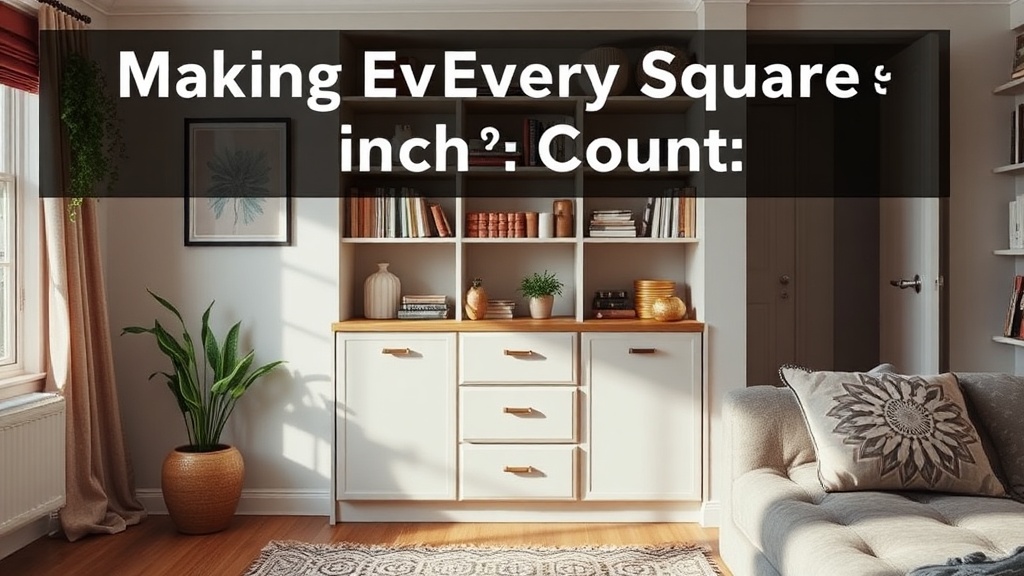
Making Every Square Inch Count: Clever Storage Strategies for Compact Living

Making Every Square Inch Count: Clever Storage Strategies for Compact Living
It's a common belief that living in a smaller home or apartment automatically means sacrificing style, order, or even comfort. You might hear people say compact spaces are destined to feel cramped, that they're a compromise on spacious living. That's simply not true. What this article covers is exactly how intelligent storage isn't just about stashing things away; it's a foundational element of good design, transforming tight quarters into highly functional, visually appealing environments. We're talking about rethinking space as an opportunity, not a limitation, and discovering how truly smart organization can unlock an unexpected sense of calm and openness in even the most modest rooms. The goal isn't just to make things disappear; it's to make your home work harder for you, allowing you to enjoy your surroundings without feeling overwhelmed by your possessions. This isn't about rigid minimalism for its own sake, but about creating an intentional, orderly space that reflects your personal style and supports your daily life.
Why does my small room feel so cluttered, even with storage?
You’ve invested in shelves, bought some bins, maybe even a new dresser—yet your small room still feels like it’s bursting at the seams. This isn't an uncommon frustration, and the answer often lies not in a lack of storage, but in inefficient or inappropriate storage strategies. The misconception here is that any storage is good storage. In reality, poorly chosen or poorly organized storage can contribute just as much to visual clutter as no storage at all. The psychological impact of persistent clutter, even if it's technically "stored," can be profound—creating a subconscious sense of unrest and making your space feel smaller than it actually is. It's about visual weight: a wall filled with disparate, open shelving units can feel heavier and busier than a single, integrated piece of furniture.
One frequent misstep is overlooking vertical space. We tend to think horizontally, filling up floor space, when the walls offer abundant, often untapped potential. Think about it: a single low bookcase might hold a few dozen books, but a floor-to-ceiling unit could hold hundreds, along with decorative items, without taking up an extra inch of precious floor. Another issue stems from opaque storage solutions that don’t suit their contents. If you’re constantly digging through unlabeled bins to find what you need, those bins aren’t actually helping; they’re just hiding disorganization. Sometimes, too many small, disparate storage pieces create a choppy, cluttered look. A few larger, more cohesive units can often feel much cleaner and more integrated into the room’s design, reducing that sense of visual noise.
Perhaps the biggest hurdle, though, is failing to declutter *before* implementing storage. If you're trying to store items you don't use, need, or love, you're merely organizing clutter. This step isn't just about tidiness; it's about defining what truly belongs in your space and why. Before any new storage solution comes into play, take an honest inventory of your belongings. Do you really need five identical spatulas? Is that broken lamp ever going to get fixed? Be ruthless. Ask yourself if an item serves a purpose or brings you genuine joy. If not, it might be time for it to find a new home. This crucial first step ensures that any storage you do bring in serves a real purpose, holding items you truly value and interact with. Remember, the most clever storage system in the world can’t fix a fundamental issue of having too much stuff for your space. It simply gives clutter a new place to reside. By removing the extraneous, you create a blank canvas for effective organization.
What are the best furniture pieces for maximizing storage?
When every square foot counts, your furniture should do double duty. Multi-functional pieces are your strongest allies in a compact living arrangement, offering both utility and a place to put things away. Forget the idea that multi-functional means sacrificing aesthetics; today's market is full of beautifully designed items that cleverly hide their storage capabilities. The trick is to identify pieces that genuinely fit your needs and integrate seamlessly into your existing decor, rather than standing out as purely utilitarian.
Consider an ottoman with a lift-top lid, for example. It serves as extra seating, a footrest, and a coffee table (with a tray), all while concealing blankets, books, or games inside. Bed frames with built-in drawers underneath are another genius invention, transforming otherwise dead space into prime storage for linens, seasonal clothing, or even shoes. Some contemporary beds even feature headboards with integrated shelving or hidden compartments, providing a convenient spot for books, glasses, or charging electronics without needing separate nightstands. In a living room, a console table isn’t just for display; choose one with deep drawers or shelving to stow away media devices, remotes, or office supplies. Even nesting tables, while not strictly storage, can free up floor space by tucking neatly into each other when not in use, and then expanding to hold drinks or snacks when guests arrive.
Wall-mounted furniture is another category that deserves your attention. Floating shelves, of course, are a classic for books and decor, but what about a wall-mounted desk that folds up when not in use? These disappear almost entirely, reclaiming floor space during off-hours, perfect for a work-from-home setup in a living room or bedroom. Slim-profile bookcases or ladder shelves offer height without bulk, drawing the eye upward and providing substantial storage for books, plants, and decorative objects without overwhelming the room. When choosing these pieces, look for clean lines and a finish that blends with your existing decor—this will help maintain an uncluttered, cohesive look even as you add functional elements. Prioritize pieces that are proportionate to your room’s scale. A massive storage unit will feel overwhelming in a tiny space, no matter how many drawers it has. It's about thinking beyond a single purpose for each piece and seeing how it can serve multiple needs, thus reducing the total amount of furniture you need to house. For more inspiration on smart furniture choices,