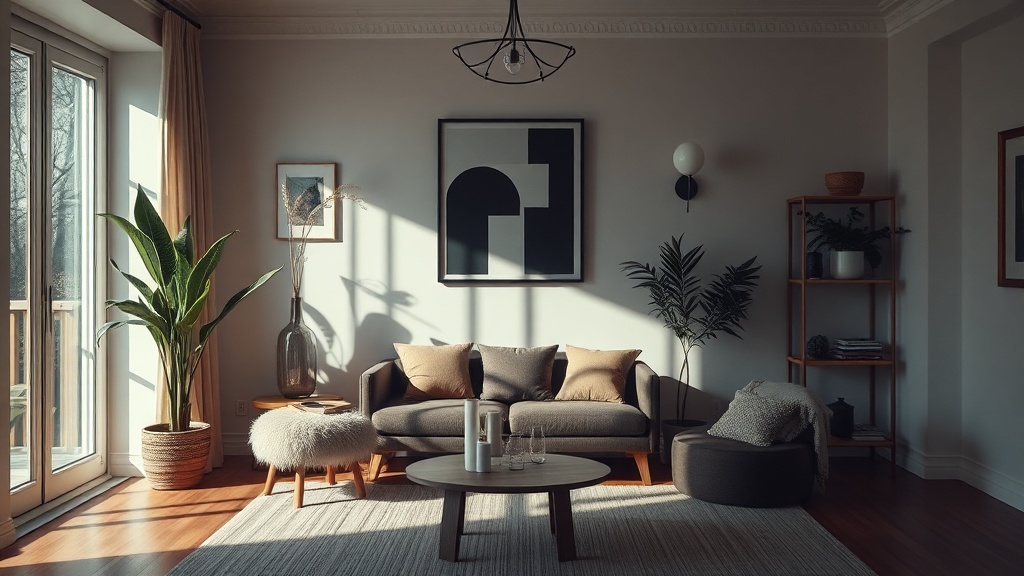
Embracing Minimalism: How to Create a Calm, Clutter-Free Home

Creating a calm, clutter-free home isn't about stripping away personality—it's about making intentional choices that reduce visual noise and mental overwhelm. This post covers practical strategies for decluttering every room, selecting multi-functional furniture, and building habits that keep spaces tidy long-term. Whether living in a studio apartment or a four-bedroom house, these approaches work.
What Is Minimalist Home Design?
Minimalist home design prioritizes function over decoration, quality over quantity, and clear surfaces over crowded displays. (Think less "empty white room" and more "everything here has a purpose.") The philosophy emerged from mid-century modern influences and Japanese aesthetics—particularly the concept of ma, or negative space.
Here's the thing: minimalism looks different for everyone. A family with three kids won't have the same sparse living room as a solo urban dweller—and that's fine. The goal is intentional curation, not sterility.
The benefits extend beyond aesthetics. Studies from the American Psychological Association link cluttered environments to elevated cortisol levels. When visual chaos decreases, focus improves. Sleep gets better. Cleaning takes half the time.
How Do You Start Decluttering Without Getting Overwhelmed?
Start with one drawer, one shelf, or one corner—not an entire room. The "four-box method" works: sort items into Keep, Donate, Sell, and Trash categories. Set a timer for 20 minutes. When it rings, stop. Repeat tomorrow.
Many people stall because they attach memories to objects. That's normal. The solution? Photograph sentimental items before letting them go. The memory stays; the dust-collector leaves.
Worth noting: some spaces need different approaches. Kitchens require function-first thinking. Bedrooms demand serenity. Entryways need systems for daily clutter (keys, mail, shoes).
Room-by-Room Priorities
Don't tackle everything simultaneously. Here's where to start:
- Kitchen: Duplicate utensils, expired pantry items, unused appliances
- Living room: Excess throw pillows, magazines, cables, decorative objects without meaning
- Bedroom: Clothes unworn in 12 months, nightstand clutter, under-bed storage chaos
- Bathroom: Expired products, single-use gadgets, towel overload
- Home office: Paper piles, broken pens, outdated electronics
The catch? Finish one room before starting another. Partial decluttering creates more chaos than it solves.
Which Minimalist Furniture Pieces Work Best for Small Spaces?
Multi-functional furniture maximizes square footage without sacrificing style. Look for clean lines, natural materials, and hidden storage.
| Furniture Type | Budget Option | Investment Piece | Best For |
|---|---|---|---|
| Sofa | IKEA Kivik ($599) | Article Sven ($1,299) | Small living rooms needing storage |
| Bed frame | Zinus Suzanne ($280) | Thuma The Bed ($995) | Studio apartments with limited closet space |
| Coffee table | West Elm Industrial Storage ($499) | Floyd The Coffee Table ($595) | Hiding remotes, magazines, blankets |
| Dining table | CB2 Dylan ($599) | Room & Board Adams ($2,199) | Open-concept spaces needing visual lightness |
| Bookshelf | CB2 Stairway ($399) | Design Within Reach 606 ($2,650) | Vertical storage without bulk |
When selecting pieces, measure twice. A sofa that's too large destroys the calm aesthetic faster than any knick-knack. Leave breathing room—18 inches between furniture pieces minimum.
Material Matters
Natural materials age better and feel calmer than synthetic alternatives. Solid wood (oak, walnut, ash), untreated linen, wool, and ceramic ground a space. They develop patina—character that plastic never achieves.
That said, mixing textures prevents minimalism from feeling cold. Combine smooth ceramics with nubby textiles. Pair polished concrete with warm wood. Contrast matters.
How Can You Maintain a Clutter-Free Home Long-Term?
Systems beat willpower. Build habits around the "one in, one out" rule—new purchase, old item departs. Create designated homes for daily items (keys, wallet, phone). When everything has a place, clutter loses its foothold.
The KonMari Method popularized category-based decluttering: clothes first, then books, papers, miscellaneous items, and finally sentimental objects. This order builds decision-making muscle before reaching emotionally charged items.
Consider implementing a "landing strip" near entryways: a small tray for keys, a hook for bags, a shelf for mail. This single zone prevents clutter from migrating throughout the home.
Daily Habits That Work
- Make the bed. Takes two minutes. Sets the tone.
- Clear kitchen counters before bed. Morning you will be grateful.
- Process mail immediately. Recycle junk, file bills, action items go to a designated spot.
- Reset rooms before leaving them. Cushions fluffed, dishes to dishwasher, items returned to homes.
- Weekly "clutter patrol." 15 minutes every Sunday. Tackle whatever accumulated.
These micro-habits compound. A home that gets 10 minutes of daily attention never needs marathon cleaning sessions.
What Colors and Lighting Create Calm Spaces?
Neutral palettes—whites, warm grays, soft taupes, sage greens—visually expand spaces and reduce stimulation. That doesn't mean beige boredom. Layer tones within the same family: ivory walls, oatmeal sofa, sand textiles.
Accent colors work sparingly. One terracotta vase. A single indigo throw. Nature provides the best palette inspiration—stone, wood, sky, earth.
Lighting transforms everything. Overhead lighting alone flattens spaces and creates harsh shadows. Layer instead: ambient (overhead), task (reading lamps, under-cabinet), and accent (candles, wall sconces). The Philips Hue system offers adjustable warmth—cool light for focus, warm for relaxation.
Window Treatments
Bare windows suit some minimalists. Others need privacy or light control. Choose simple solutions: natural linen curtains (IKEA's Hilja or Coyuchi's organic cotton), wooden blinds, or sheer roller shades. Avoid heavy drapery, valances, or elaborate hardware.
Common Minimalist Mistakes to Avoid
Many beginners purge everything, then repurchase when they realize they needed that item. Others confuse minimalism with cheapness—buying disposable furniture that breaks and creates waste.
Here's the thing: minimalism costs more upfront. Quality lasts. A $300 sofa from a big-box store lasts three years. A $1,500 sofa from Article or West Elm lasts fifteen. Do the math.
Another trap? Copying Instagram-perfect spaces that don't match your life. A white linen sofa looks beautiful. It won't survive toddlers or dogs. Choose materials and layouts that work for actual daily routines—not aspirational ones.
"Have nothing in your house that you do not know to be useful, or believe to be beautiful." — William Morris
That quote guides every decision. Useful or beautiful. Ideally both. Never neither.
Storage Solutions That Actually Work
Visible storage (open shelving, glass jars) requires constant curation. Closed storage (cabinets, baskets with lids) hides necessities without visual penalty. The best minimalist homes use both strategically.
The Container Store's InterDesign bins organize pantry chaos. Yamazaki's slim storage solutions fit tight Japanese apartments—and North American studios. For closets, the IKEA BOAXEL system offers customizable configurations at accessible prices.
Remember: storage should make items accessible, not bury them. If retrieving something requires moving four other things, the system failed.
Start small. Choose one strategy from this post and implement it this week. Notice how the space feels. Adjust. Repeat. A calm, clutter-free home emerges through hundreds of small decisions—not one dramatic overhaul.